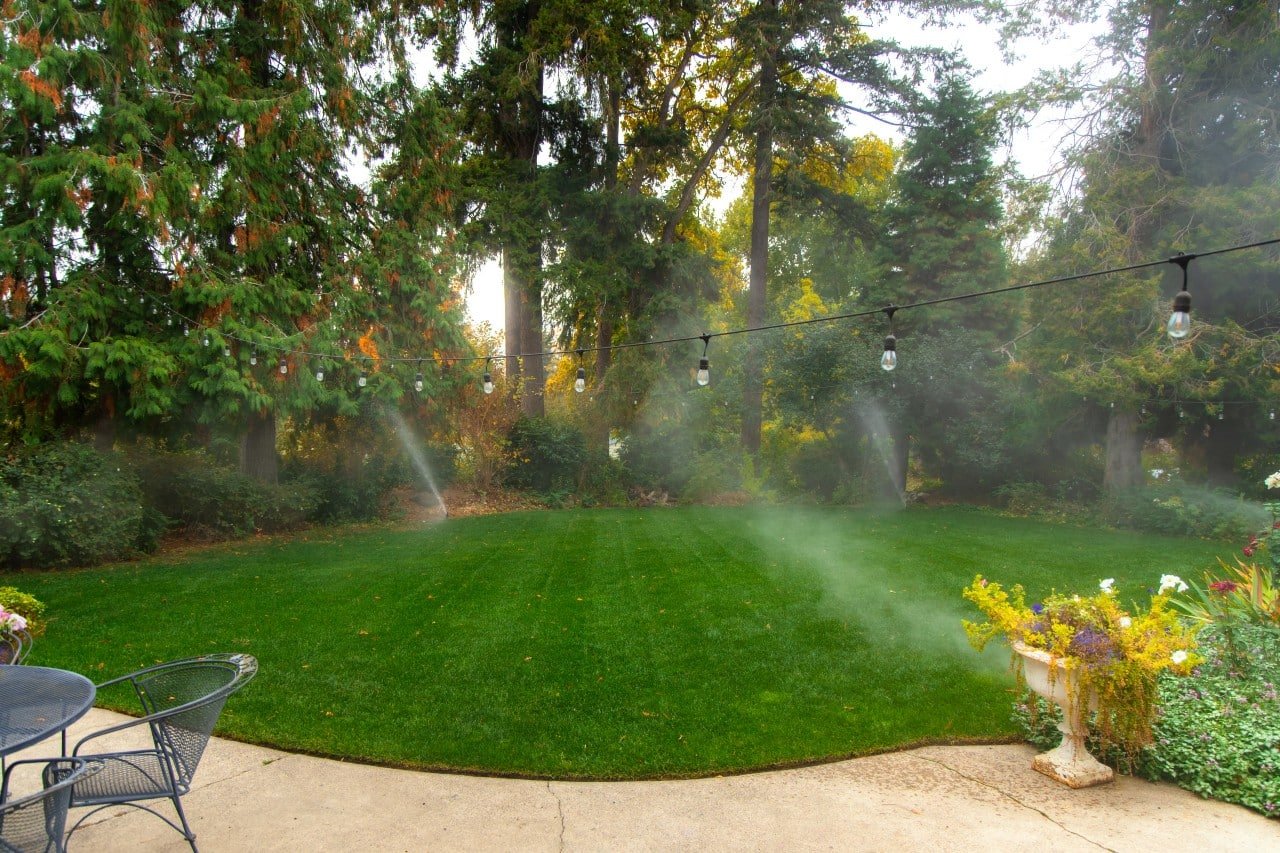
Your lawn has been through a long summer. The grass looks tired, the soil is dry, and somehow the weeds are still going strong. Most homeowners in Kennewick, Pasco, and Richland figure they’ll deal with it in spring, when everything wakes back up and the problem is easier to see.
That instinct is understandable. It’s also backwards.
The most effective window for weed control in the Tri-Cities is not spring. It’s right now, before the first hard freeze closes it. If you wait until the dandelions come back in April, you’ve already missed the treatment that would have stopped them.
What’s Actually Happening to Weeds in Fall
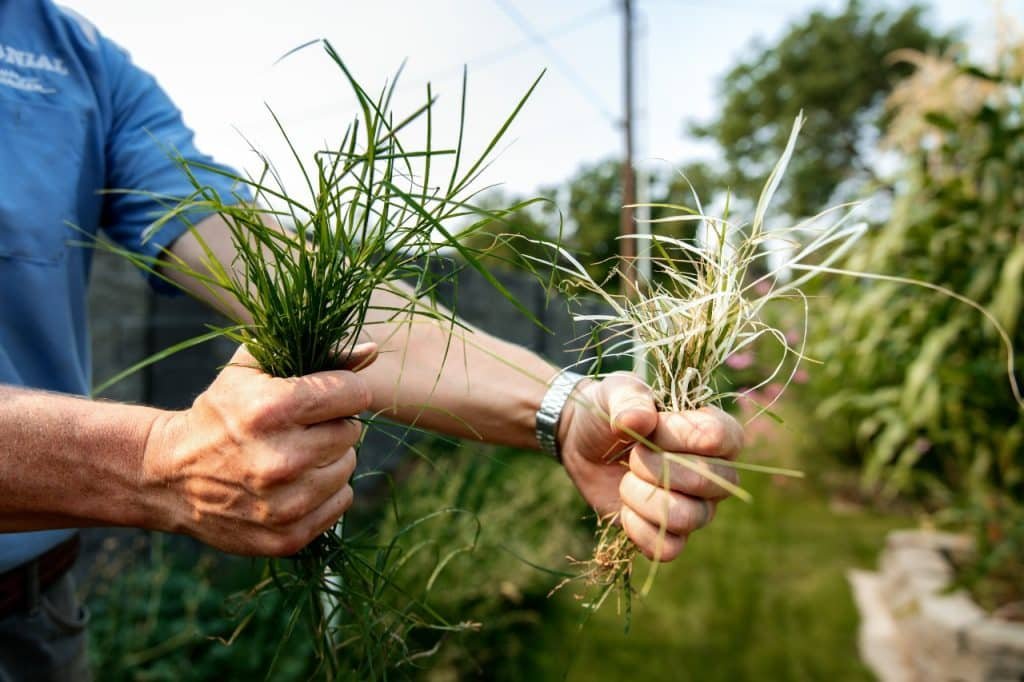
Here’s the biology, and it’s worth understanding because it changes how you think about timing.
As temperatures cool in fall, perennial broadleaf weeds like dandelions, clover, and plantain shift their energy downward. They’re pulling carbohydrates into their root systems to survive winter. That’s the same direction a systemic post-emergent herbicide needs to travel to do its job.
In fall, these plants move carbohydrates down into their roots, and herbicide applied to the leaves moves with them. That’s why fall treatment is more thorough than spring. A summer application often burns the top growth and leaves the root intact. A fall application, timed correctly, reaches the root.
The window doesn’t stay open indefinitely. The effective period runs while daytime air temperatures stay consistently in the 50s to low 70s°F; below 50°F, weed metabolism slows and herbicide uptake drops. Once the weeds go fully dormant, the treatment loses its path. In the Tri-Cities, that window can close faster than most homeowners expect.
The Weeds You’re Not Thinking About
Perennial weeds like dandelions are the ones people notice. But there’s a second category that causes just as much trouble and gets almost no attention in fall: winter annuals.
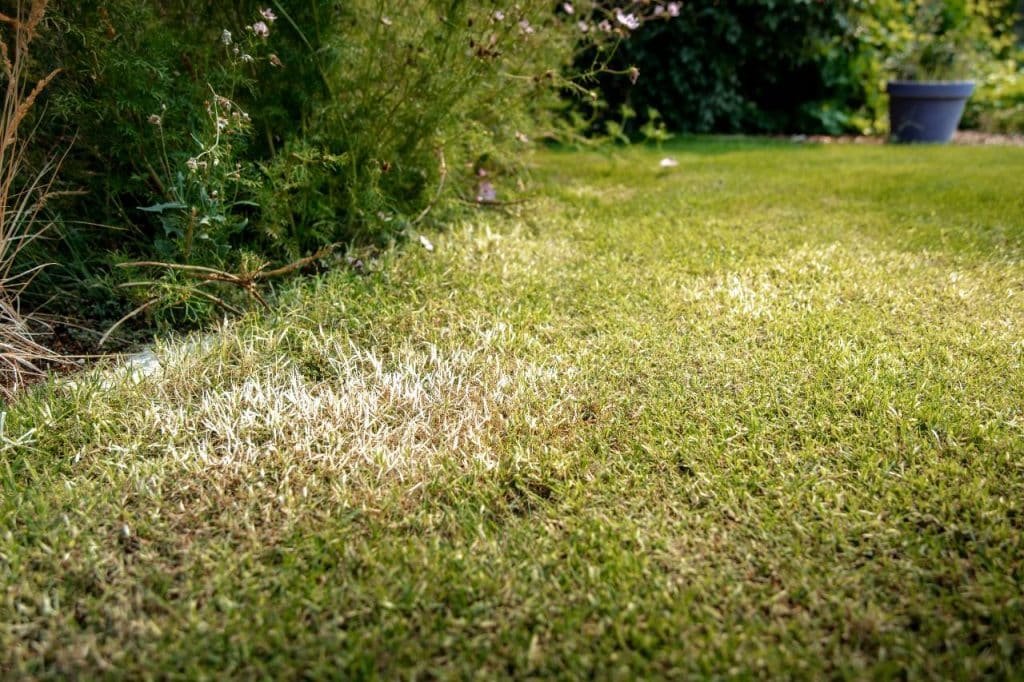
Common chickweed and henbit are winter annuals that can be treated in the fall with pre-emergent herbicide. Both are confirmed Washington State lawn weeds, listed in WSU Extension resources. Their life cycle is the reason fall treatment matters so much: they germinate in fall, overwinter as seedlings, and are already well-established by the time you spot them in late February or March.
By the time you see them, they’ve been growing for months.
Pre-emergent herbicide applied in fall, before soil temperatures drop to the point where germination begins, stops these weeds before they ever get started. But the timing is narrow. The most common mistake in fall pre-emergent applications is using the calendar as a guide. Within any region, soil temperatures can vary by two to three weeks from year to year. Apply too early and the barrier degrades before it’s needed. Apply too late and germination has already begun. That’s a hard window to hit without local knowledge and the right monitoring tools.
Why the Tri-Cities Makes This Harder
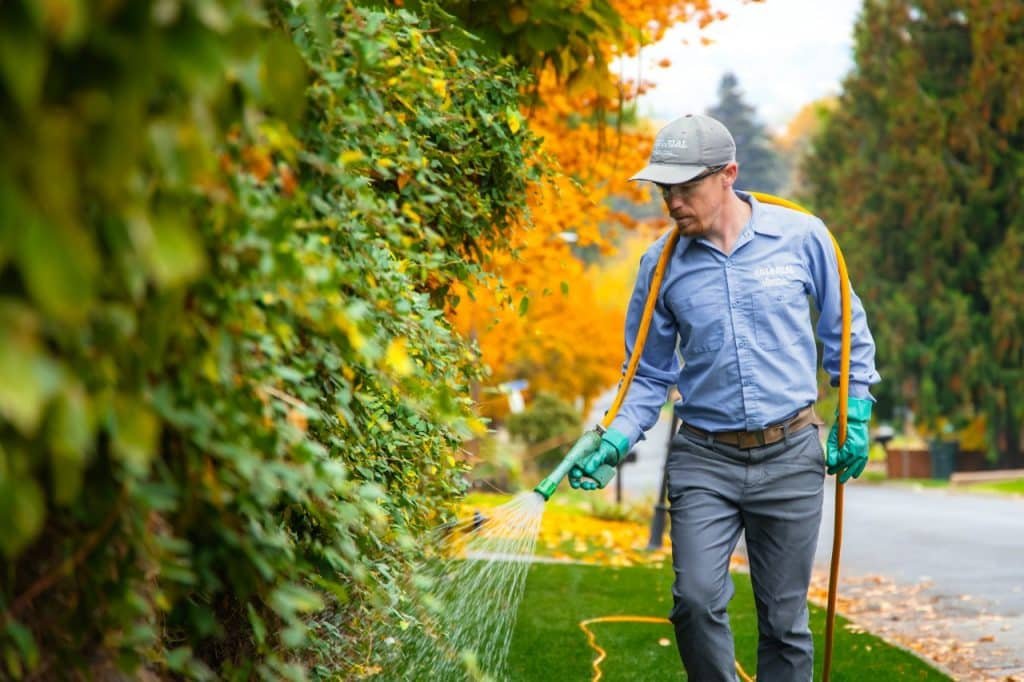
The Tri-Cities sits in a semi-arid, high desert climate with hot summers and cold winters. That’s not a mild Pacific Northwest fall. In Eastern Washington’s continental climate, pre-emergent timing is less about the calendar and more about soil temperature and local conditions. Soil temperatures here can shift faster than in western Washington, compressing the effective treatment window on both ends.
Homeowners who wait for a clear visual cue that fall has arrived, cooler mornings, leaves turning, the first rain, may already be past the point where treatment is most effective. The window doesn’t announce itself. It just closes.
A program built around Tri-Cities conditions, not a national template, accounts for that. It’s the difference between treating at the right time and treating at a convenient time.
What You’re Setting Up for Spring
Fall weed control isn’t just about this season. It’s about what your lawn looks like in April.
Weeds that are suppressed in fall don’t seed out over winter. They don’t emerge aggressively when the soil warms up. A lawn that goes into dormancy with a clean weed profile comes out of it with a head start, less competition for the grass, and less catch-up work in spring.
Colonial’s program runs through mid-November, carrying pre-emergent and post-emergent applications through the fall season and setting the lawn up for the following year. The later applications in the program are doing exactly this work: closing out the season in a way that makes spring easier.
One Situation Where Fall Treatment Isn’t the Right Move
If you’re planning to overseed this fall, pre-emergent weed control is not the right first step. Pre-emergent herbicides inhibit seed germination of both weeds and desirable grasses; they should not be applied if you intend to seed within the period the product will be active. Applying pre-emergent before overseeding will work against the new grass just as effectively as it works against the weeds.
In that case, the priority order changes. A professional assessment helps sort out which service the lawn actually needs first, and in what sequence. It’s not a one-size-fits-all answer.
How Colonial Approaches Fall in the Tri-Cities
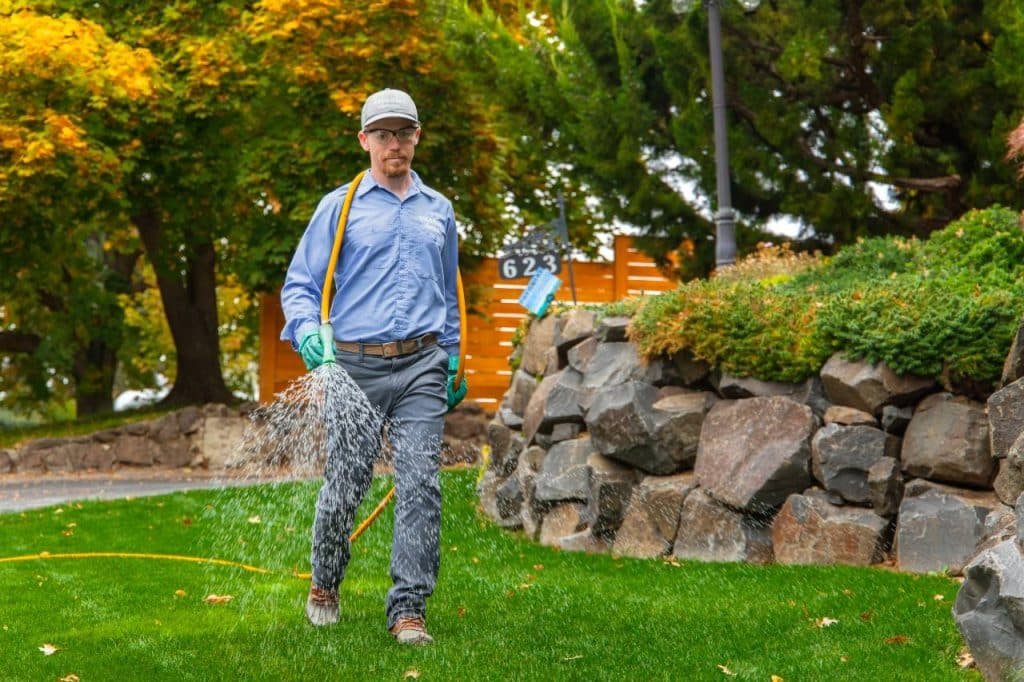
Colonial Lawn and Garden has been serving Kennewick, Pasco, Richland, and the surrounding communities for decades. The program wasn’t built from a national playbook. It was built around how this region actually behaves, the heat, the dry summers, the fast fall transitions, and the specific weeds that show up in Tri-Cities lawns.
The fall applications in Colonial’s program include both pre-emergent and post-emergent weed control, timed to local conditions rather than a fixed calendar date. The program runs through mid-November. Colonial’s fertilizers are kid and pet friendly once dry, which matters when you’re treating a lawn that a family actually uses.
That combination of local timing, the right products, and decades of regional experience is what separates a program that works from one that just runs on schedule.
The Window Is Open Now
Fall weed control in the Tri-Cities works because the biology is on your side right now. That changes when the temperatures drop and the weeds go dormant. Waiting until spring means starting over against weeds that spent the winter getting established.
If you want to get ahead of next year’s weed pressure, this is the time to do it. Reach out to Colonial Lawn and Garden to schedule your fall treatment or talk through your options before the season closes.
Call us at 509.371.1655 or visit coloniallawn.com to get started.